
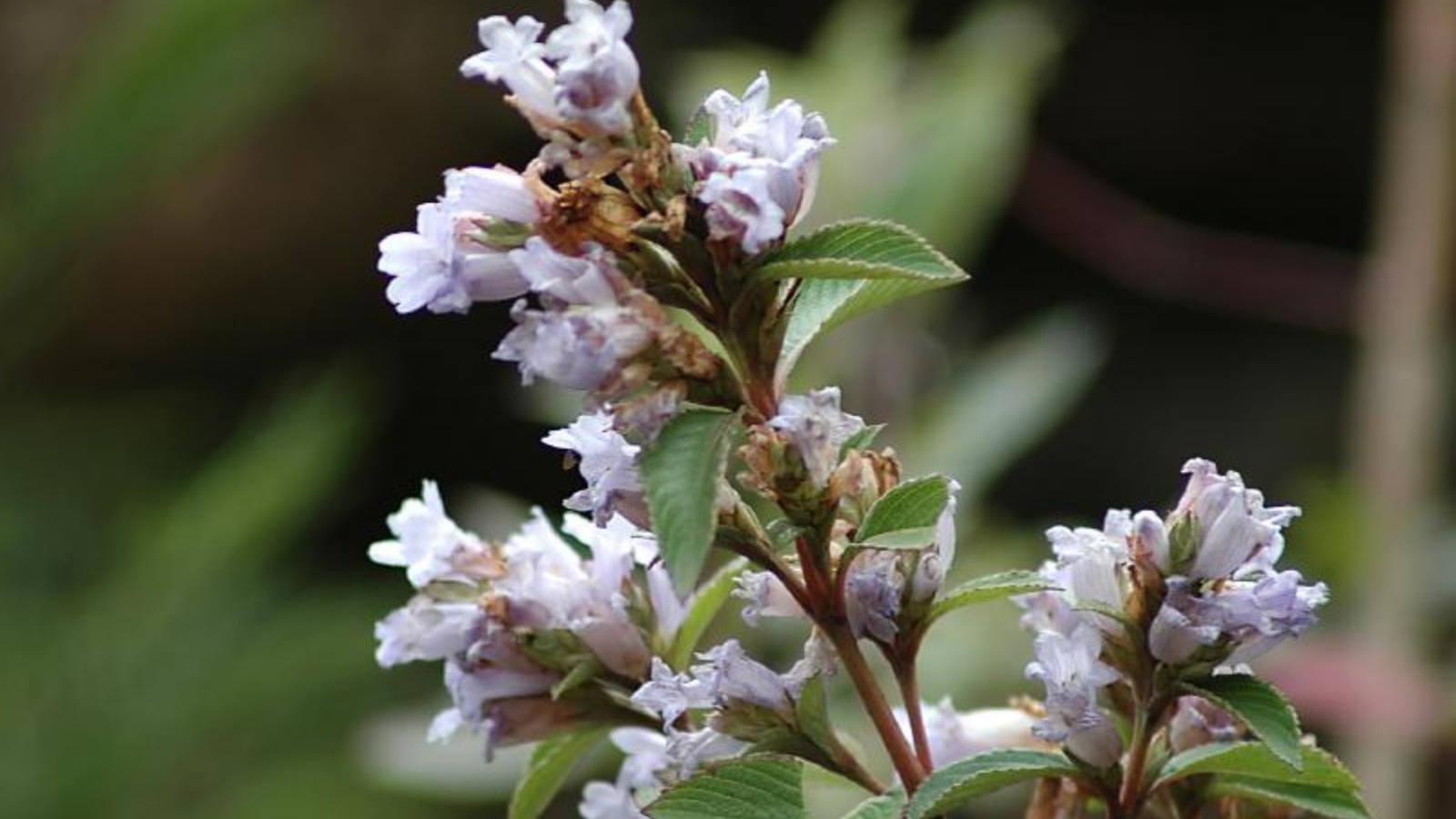
Few natural spectacles are as striking as a hillside covered in Neelakurinji’s violet-blue blooms. Scientifically known as Strobilanthes kunthiana, the flower is associated with the high-altitude grasslands of the Western Ghats and is best known for its roughly 12-year flowering cycle. Mass flowering has been recorded across parts of Kerala, Tamil Nadu and Karnataka.
The last major flowering seasons in several well-known locations were in the late 2010s and early 2020s, so travellers should check local forest department and tourism updates rather than assume flowers will bloom every year.
Here are top destinations associated with Neelakurinji:
Munnar is perhaps the most famous destination for seeing Neelakurinji. The surrounding high ranges, including areas around Mattupetty and Top Station, have historically been covered in the flowers during major blooming years. Kerala Tourism identifies Munnar as one of the key landscapes associated with the phenomenon.
The Palani Hills around Kodaikanal are another well-known Kurinji habitat. Historical records document mass flowering around Kodaikanal, alongside Munnar, though the exact intensity and timing can vary by location.
The hill station’s high-altitude grasslands and surrounding valleys provide a scenic setting for the flowers in bloom.
The Nilgiri Hills, including areas around Mukurthi National Park, are associated with Neelakurinji and other Strobilanthes species. Historical records have noted Kurinji patches in the Nilgiris and adjoining protected landscapes.
Because much of this landscape falls within protected areas, visitors should follow forest department rules and avoid entering restricted grasslands or trampling flowering plants.
The hills around Chikkamagaluru are another Karnataka landscape where Neelakurinji has been recorded. In 2022, significant flowering attracted trekkers and nature enthusiasts to areas including Mullayanagiri, Kote Betta and Kumara Parvatha.