The Master Plan for Delhi (MPD)-2047 has introduced town planning schemes (TPS) as an alternative under the existing land pooling policy as per which it is mandatory for landowners in a particular area to pool their land together allowing the Delhi Development The Master Plan for Delhi (MPD)-2047 has introduced town planning schemes (TPS) as an alternative under the existing land pooling policy as per which it is mandatory for landowners in a particular...
The Master Plan for Delhi (MPD)-2047 has introduced town planning schemes (TPS) as an alternative under the existing land pooling policy – as per which it is mandatory for landowners in a particular area to pool their land together – allowing the Delhi Development Authority (DDA) to require landowners in notified areas to participate in planned development.
The move is aimed at overcoming the disputes and delays that have stalled the policy for years. The DDA sees land pooling as a key route to address the city’s housing shortage, with the potential to unlock up to 20 lakh homes.
Under the existing system, private landowners assemble their parcels for development. They give 40% of the pooled land to the DDA for roads, parks and other public infrastructure, while retaining 60% for residential and commercial development.
Until recently, the DDA would acquire land directly, build flats and amenities such as parks and community centres, and then sell the units. But land acquisition, as per DDA, has become increasingly tedious due to high costs, litigation and procedural delays.
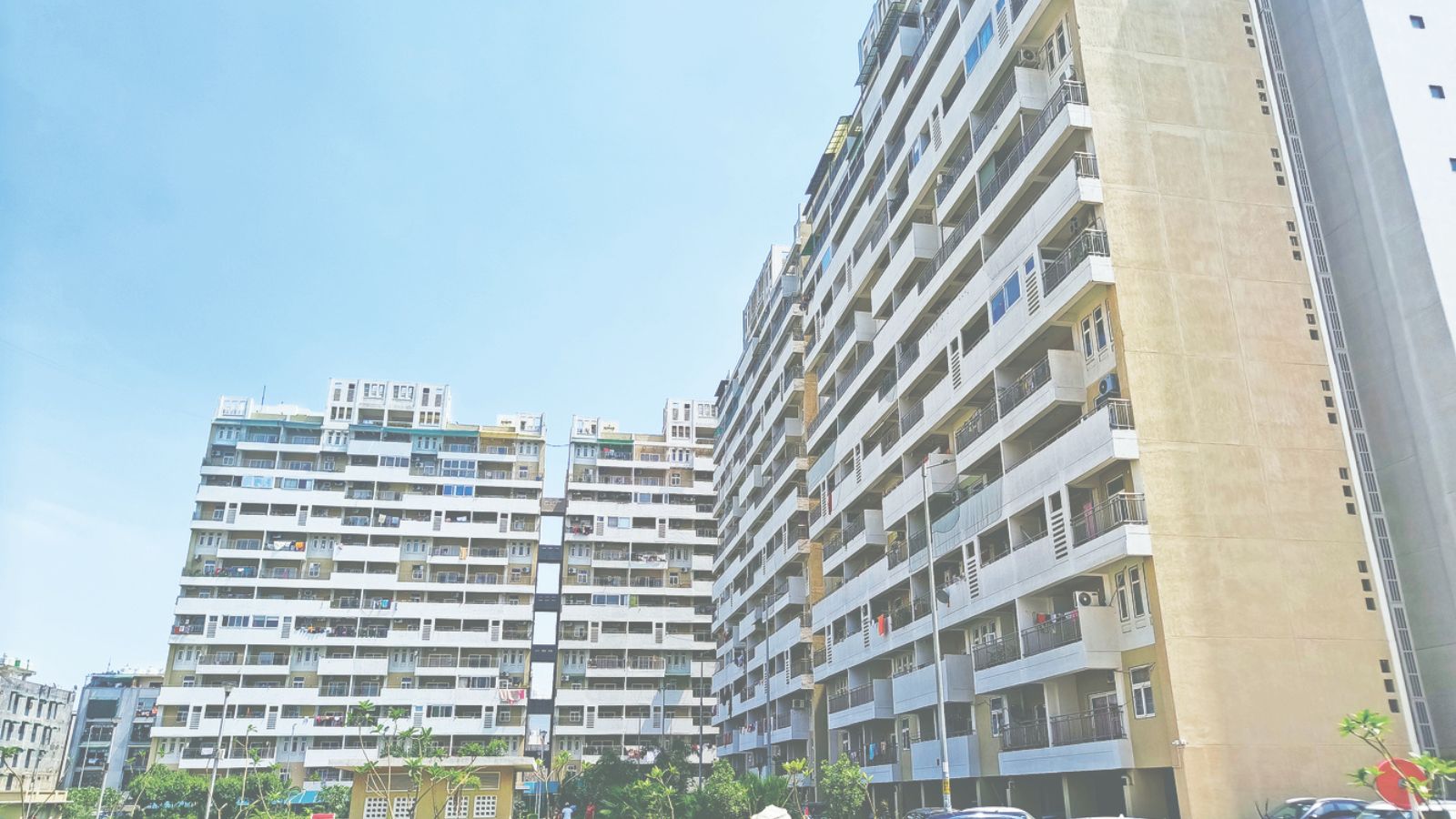
The policy seeks tocreateworld-class neighbourhoods with high-rises in the rural belt of Outer Delhi, such as Narela, Bawana and Najafgarh, where haphazard development is currently underway.
It was first introduced in the 2007 Delhi Master Plan-2021. Regulations followed in 2013 and were revised in 2018, covering 138 sectors across six zones. However, eight years on, no work has begun in any sector.
Under a TPS, landowners assemble parcels under different ownerships, which are then reconstituted after land is deducted for roads, open spaces, social infrastructure and other services.
Most importantly, once the DDA notifies an area under a TPS, participation will be mandatory, unlike the exisiting land pooling scheme. It is a more structured method, which has been used in Gujarat.
Jagan Shah, former head of the National Institute of Urban Affairs and currently Professor of Practice at IIT Delhi, welcomed the availability of different mechanisms to assemble and redevelop urban land. He, however, cautioned, “The DDA has the discretion in selecting areas it notifies under TPS, which gives rise for opportunities of rent-seeking.”
Forming a consortium is not necessary anymore. Under the new policy, landowners with contiguous parcels above 20 hectares can approach the DDA directly.
Delhi’s affordable housing supply has collapsed even as its population has grown exponentially.
According to data from real estate consultancy Anarock, the share of newly-launched homes priced below Rs 40 lakh fell from 62% in 2020 to just 11% last year, while units priced above Rs 1.5 crore rose from 13% of new supply in 2019 to 70% in 2024.
Much of the region’s legal housing growth has moved to Gurgaon, Faridabad and Noida, since Delhi lacks regulations for high-density greenfield construction.
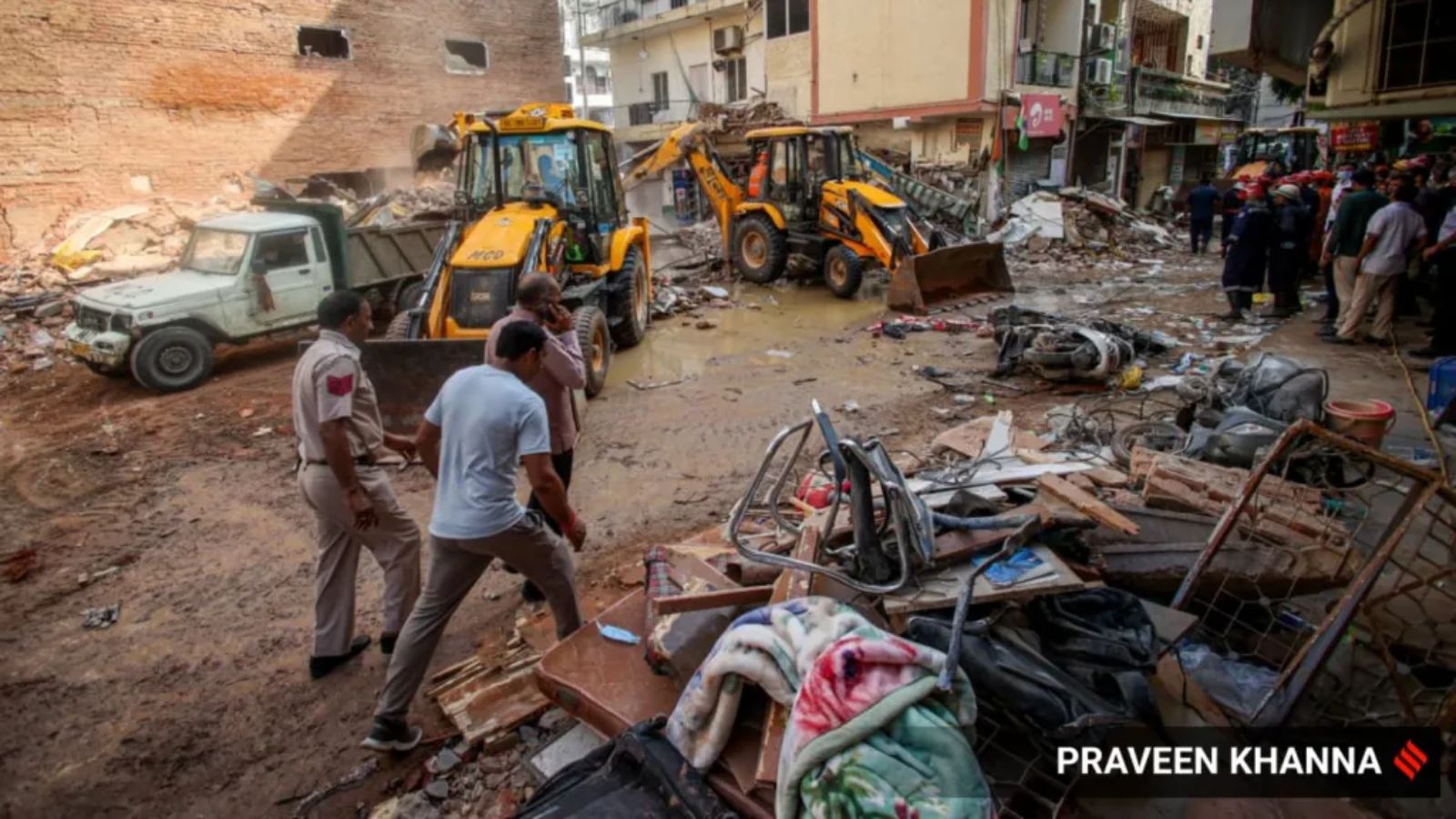
This has resulted in unauthorised and haphazard growth on the city’s fringes: internal DDA assessments show over 3,500 hectares – land the size of 4,900 football fields – has come under unauthorised construction in land pooling areas.
The revised policy is intended to make land assembly workable, open up more developable land and bring planned housing to the city.